Guide
Should you become an HVAC tech?
An honest decision guide to HVAC work: what the trade really demands of your body and your time, how EPA 608 certification fits in, the genuine case for and against, and how to tell if you are built for it.
HVAC gets recommended constantly to people looking for a trade: the demand is real, the entry path is short compared with many skilled careers, and air conditioning is not something society plans to give up. All of that is true, and none of it answers the question that actually matters. Plenty of people enter HVAC on the strength of the demand story and leave within a few years, worn down by the parts of the job nobody put in the brochure. The trade is genuinely good for a certain kind of person and genuinely punishing for another kind, and figuring out which you are before you invest in training is the whole game.
This guide is built for that decision. It covers what the work actually feels like across seasons, where EPA 608 certification fits and what it does and does not get you, the honest case for the trade, the honest case against it, and a self-assessment drawn from the patterns that separate twenty-year techs from two-year washouts.
What the work actually is
HVAC technicians install, maintain, and repair the systems that heat, cool, and ventilate buildings. The residential side means furnaces, heat pumps, and air conditioners in houses: seasonal tune-ups, no-cool and no-heat service calls, and full system changeouts. The commercial side means rooftop units, split systems, and larger equipment serving offices, restaurants, and retail. Refrigeration work, keeping food cold in markets and restaurants, is its own demanding branch with its own urgency, because a failed walk-in cooler is an emergency measured in spoiled inventory.
The daily texture of the job is diagnosis under conditions. A service call starts with a system that is not doing its job and a customer who is uncomfortable, and your task is to find the fault: electrical, mechanical, airflow, refrigerant circuit, or controls. Good techs are systems thinkers who read schematics, take measurements, and reason from symptoms to causes. The stereotype of the parts-swapper exists, but the techs who last and advance are diagnosticians first. If you like troubleshooting, real troubleshooting with instruments and logic, the intellectual content of this trade is far higher than outsiders assume.
Then there is where the work happens, and this deserves its own paragraph because it is the single most underestimated fact about the trade. Broken cooling systems get fixed in the heat, and broken heating systems get fixed in the cold. The attic where the air handler lives is at its most brutal on exactly the day the air conditioning fails. The rooftop where the package unit sits is coldest and windiest on exactly the day the heat goes out. You do not get to schedule equipment failures for mild weather. The trade happens at the temperature extremes, by definition, because that is when the equipment is stressed and when the customer calls.
Where EPA 608 fits, and what it is not
EPA Section 608 certification is the federal floor for refrigerant work. Under the regulation, a technician is anyone whose work could reasonably be expected to affect the refrigerant circuit of an appliance, and that person must be certified. Since nearly all air conditioning and refrigeration service eventually touches the sealed system, 608 certification is effectively the entry ticket to the cooling side of the trade. The exam structure is 25 core questions plus 25 questions for each certification type, closed book, with 70 percent required to pass, and the regulation sets no expiration on the certification once earned. You pass it once and it stands.
Two honest clarifications about what that certification means. First, it is a knowledge credential about refrigerant handling, environmental rules, and safe practices. It proves you may legally work on refrigerant circuits. It does not prove you can diagnose a system, braze a joint, or wire a condenser, which is why employers treat 608 as a prerequisite rather than a qualification. Second, and this trips up newcomers constantly, certification is not a license. EPA 608 alone does not authorize you to operate as a contractor, pull permits, or run your own HVAC business. Contractor licensing is a separate, typically state-level system with its own experience and exam requirements. The realistic reading: 608 opens the door to employment as a technician, and the license question comes years later if you want to work for yourself.
The typical entry paths into the trade, roughly in order of how common they are:
- Helper or apprentice position with a service company, learning on trucks while studying for 608 early on
- Trade school or community college HVAC program, then entry-level employment with the certification already in hand
- Formal apprenticeship through a union or association program, combining paid work with structured classroom training
- Crossover from a related trade such as electrical or plumbing, bringing transferable skills and shortening the ramp
The case for the trade
The demand argument is real and worth stating without hype. Heating and cooling equipment exists in nearly every building in the country, all of it ages, all of it fails, and none of it can be serviced remotely or offshored. The work is permanently local and permanently recurring. Add the ongoing transition to new refrigerants and higher-efficiency equipment, which generates changeout work and makes trained techs more valuable, and the employment picture is about as durable as trades get. Companies in most markets genuinely struggle to hire enough qualified technicians.
The entry math is also favorable. Compared with careers requiring a degree, the runway from decision to employment is short: a focused program or a helper job plus the 608 exam can have you working in the field quickly, learning while employed rather than paying to learn. And the ceiling is higher than outsiders think. The trade branches into commercial and industrial work, controls and building automation, system design, service management, teaching, and eventually contracting for those who want to build a business. A tech who keeps learning does not top out.
Additional advantages that hold up:
- The diagnostic work keeps the job mentally engaging for people who like solving real problems with instruments and reasoning
- The skill set compounds across electrical, mechanical, airflow, and controls knowledge rather than narrowing over time
- You see immediate, concrete results: the house cools, the cooler holds temperature, the customer is visibly relieved
- The federal certification never expires, so the credential you earn at entry stays valid for your entire career
- Every building is different, so the work resists the monotony of a fixed jobsite or an assembly line
The case against, taken seriously
Now the reasons people leave, because they are just as real as the demand statistics and far less advertised.
Start with the body. HVAC is physically hard in ways that accumulate. Attics in summer are dangerously hot, and you will be in them, in coveralls, handling equipment, on the hottest days of the year. Rooftops in winter are the mirror image. Between the extremes there are crawlspaces, heavy condensers and air handlers to move, ladders, kneeling, and the daily grind of carrying tools and recovery equipment. Techs develop knee, back, and shoulder wear, and heat stress in attic work is a genuine safety issue, not a rite of passage to shrug off. Anyone telling you the physical toll is minor either has not done the residential work or is selling a training program.
Second, the schedule belongs to the weather for a large part of the year. The trade runs on seasonal surges: the first real heat wave and the first hard cold snap each generate a wall of emergency calls, and service companies meet those walls with long days, weekend work, and on-call rotations. During peak season, plans get canceled, dinners get missed, and the phone owns you in a way that office workers never experience. Companies vary in how humanely they run on-call, and the good ones rotate it fairly, but no residential service company can exempt you from the season. If protected evenings and weekends are non-negotiable for your family situation, residential service specifically will fight you on it, and you should target install-only, commercial maintenance, or facilities roles instead.
Third, the customer-facing pressure is constant on the service side. You arrive at houses where people are hot, frustrated, and about to hear unwelcome news about a repair they were not budgeting for. Delivering that news kindly, explaining options honestly, and handling the occasional angry response is a real skill, and techs who lack it have a rough time regardless of their technical ability. Some shops also push sales quotas on techs, pressuring them to recommend replacements aggressively. Ethical techs navigate this, but you should know the pressure exists and choose employers accordingly.
Fourth, the early years are humbling. Entry-level work means the worst tasks in the worst locations: pulling old equipment out of attics, running duct in crawlspaces, and carrying for the lead tech while you learn. The interesting diagnostic work is earned over the first years, not handed over on day one. People who need immediate mastery and autonomy find the apprentice period frustrating.
The certification is not the career
Passing the EPA 608 exam is measured in weeks of study. Becoming a competent, employable technician is measured in years of field experience. Budget your expectations accordingly: the certification opens the door, and the trade itself is learned on the other side of it.
Who thrives, who hates it
The dividing lines in this trade are unusually clear. Read both lists against yourself honestly.
You are likely to thrive as an HVAC tech if most of these describe you:
- You genuinely enjoy troubleshooting and feel satisfaction when a logical process corners an elusive fault
- Your body handles heat, cold, and physical work well, and you take conditioning and safety practices seriously
- You can walk into a stranger's home, explain a problem clearly, and deliver unwelcome news without friction
- Seasonal intensity feels like an energizing sprint to you rather than a violation of your personal time
- You like the idea of a skill set that keeps deepening across electrical, mechanical, and controls domains
- You are patient with an apprentice period and willing to earn the interesting work over a few years
You are likely to hate it if several of these ring true:
- You overheat badly or struggle in cold, because the trade lives at the temperature extremes by definition
- On-call rotations and surge-season weekends would create serious conflict with your family or your temperament
- You dislike customer interaction and want to work on equipment without ever managing a person's frustration
- Tight spaces genuinely distress you, since attics and crawlspaces are regular workplaces in residential work
- You want a clean, climate-controlled work environment and predictable hours above all else
- You are drawn mainly by the demand story and feel no actual pull toward mechanical and electrical work
How to actually decide
Three questions cut through the noise. First, the body question: can you work hard in extreme heat and cold, not once but as a career-long baseline, and are you honest enough with yourself to answer from evidence rather than optimism? Think about the hottest manual work you have actually done and how you handled it. Second, the schedule question: can your life absorb surge seasons and on-call rotations for at least the residential-service years of your career? Third, the pull question: does the diagnostic and mechanical content of the work genuinely interest you, or are you choosing HVAC purely because someone said trades are safe? Demand keeps you employed, but only interest keeps you in the trade long enough for the ceiling to matter.
There is also a cheap way to test the decision before committing to a program: get a helper job. HVAC companies hire helpers with no certification for exactly this reason, and a single summer on a truck will answer the body question and the interest question with complete authority. If the summer convinces you, study for the 608 exam while the experience is fresh, and you enter training ahead of your cohort. If it convinces you otherwise, you learned it for free instead of paying tuition to find out.
| Question | Points toward yes | Points toward no |
|---|---|---|
| Physical baseline | Handles heat, cold, and heavy work; takes safety seriously | History of heat intolerance or a body already sending warnings |
| Schedule reality | Can absorb on-call and surge seasons for the early career | Protected evenings and weekends are non-negotiable now |
| Interest | Genuinely pulled toward diagnosis and mechanical systems | Motivated only by the demand story, not the work itself |
| People side | Comfortable explaining problems and costs to stressed customers | Wants zero customer interaction under pressure |
| Patience | Accepts an apprentice period and earns autonomy over years | Needs immediate mastery and the interesting work on day one |
The bottom line is symmetrical. For a person with the body, the temperament, and a genuine pull toward diagnostic work, HVAC is one of the best answers the trades currently offer: permanent local demand, a short entry runway, a certification that never expires, and a ceiling that rises as far as your curiosity does. For a person missing those foundations, the same trade is a grinding mismatch that the demand statistics will not fix. Decide from the lists above, test it with a helper season if you can, and if the answer is yes, the certification exam is your logical first milestone.
Ready to move forward? Start with the EPA 608 certification guide
The 608 fact sheet
One printable page: the four certification types, the exam structure, the leak-rate and recovery numbers, all cited to the regulation. Free.
No spam. One useful sheet and occasional notes.
The tools of the certified tech
 Elitech digital manifold setThe gauge set is the trade's daily instrument
 VIVOHOME 4CFM vacuum pumpEvacuation is half of what 608 regulates
 VEVOR recovery machineRecovery is the other half
 Fieldpiece DR58 leak detectorLeak detection is a Group II exam area
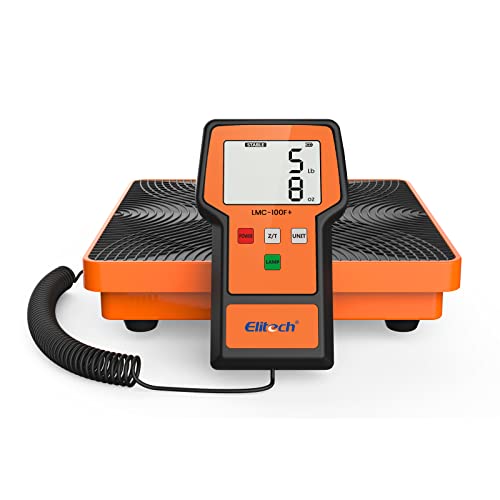 Elitech refrigerant scaleCharge tracking runs on the scale
Certification is the legal floor; these are the working instruments beside it. The full kit page.